
Removal of the existing covering and surface preparation
Renovation & Contracting
Ceramic & Porcelain Tiling
Wall and floor tiling in ceramic and porcelain, including large formats.
When do you need this?
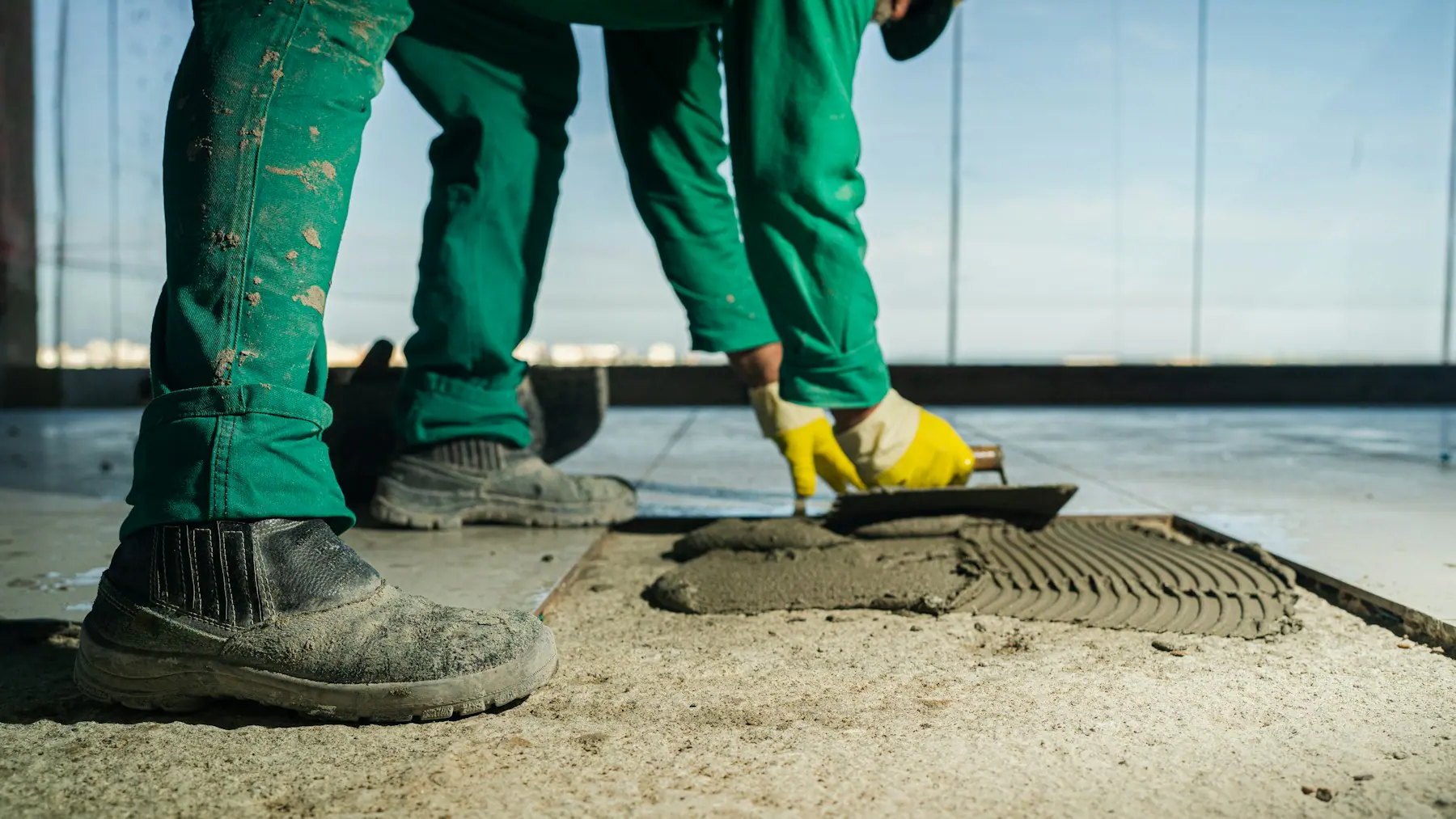
How long a tiled surface lasts depends less on the tile itself than on the flatness of the surface beneath, the choice of adhesive and the joint detail. Before tiling we measure floor and wall flatness, moisture and the clearance under doors, and settle the adhesive suited to the tile size and location, the grout joint width and the position of movement joints together with the tile choice.
- Hollow-sounding tiles that click underfoot
- An uneven floor that leaves furniture rocking
- Wall tiles that have cracked or come loose
- Grout that has darkened and cracked
- Level differences between rooms and a trip hazard
What this covers
Screed, self-levelling and floor correction
Ceramic and porcelain wall and floor tiling
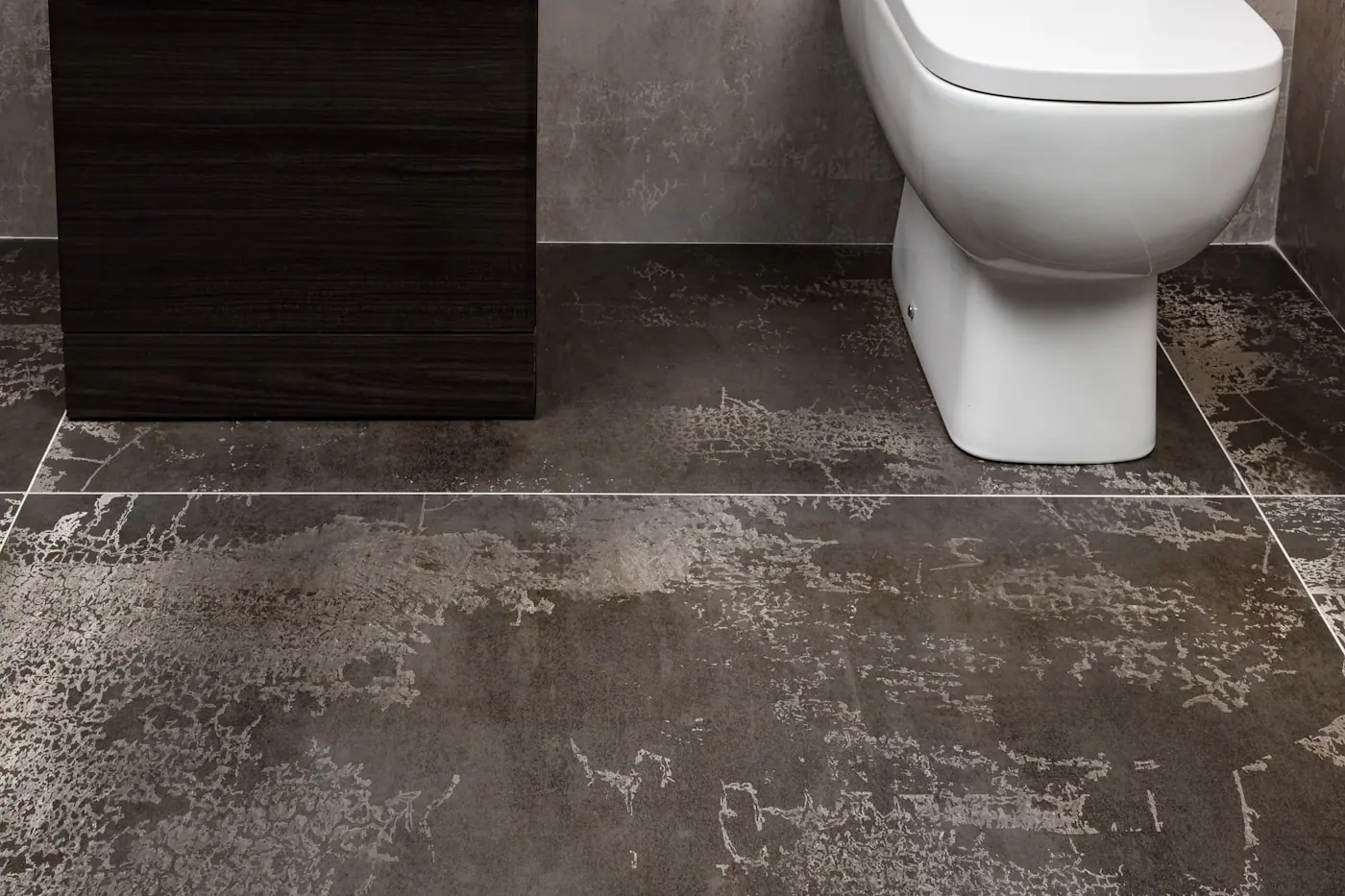
Large-format porcelain laid with a tile levelling system
Movement joints, edge trims and threshold detail
Grout renewal and spot tile repair
THE PROCESS
How the work runs
Share photos of the existing surfaces and the room dimensions
On-site survey measuring floor and wall flatness, moisture and door clearance
Written scope covering tile, adhesive, setting-out and joints
Delivery after approval, with the surface preparation documented
Handover after flatness, hollow-tile and grout checks
Where we deliver this service
Les zones actives sont affichées clairement. Contactez-nous pour vérifier votre adresse.
FAQ
Questions about this service
Can new tiles be laid over old ones?
Where the existing tiles are sound, flat and free of hollows, it is possible with a suitable primer and adhesive; the floor level then rises, so door clearance and thresholds are allowed for too. Where tiles are loose or cracked, removal and levelling come first; otherwise the new tiles inherit the same defect.
Can large-format porcelain go down on any floor?
Large-format tiles show small undulations in a floor far more than small tiles do. We measure flatness at survey and level the floor first where needed, then lay the tiles with an adhesive method that leaves no voids beneath them and a levelling system to keep the edges flush.
Why are movement joints needed?
Floors and walls move slightly with temperature, moisture and movement in the building. Where flexible movement joints are left out across large areas, at wall perimeters and where different materials meet, tiles can lift or crack over time. We set the position of these joints in the setting-out plan beforehand.
Related services
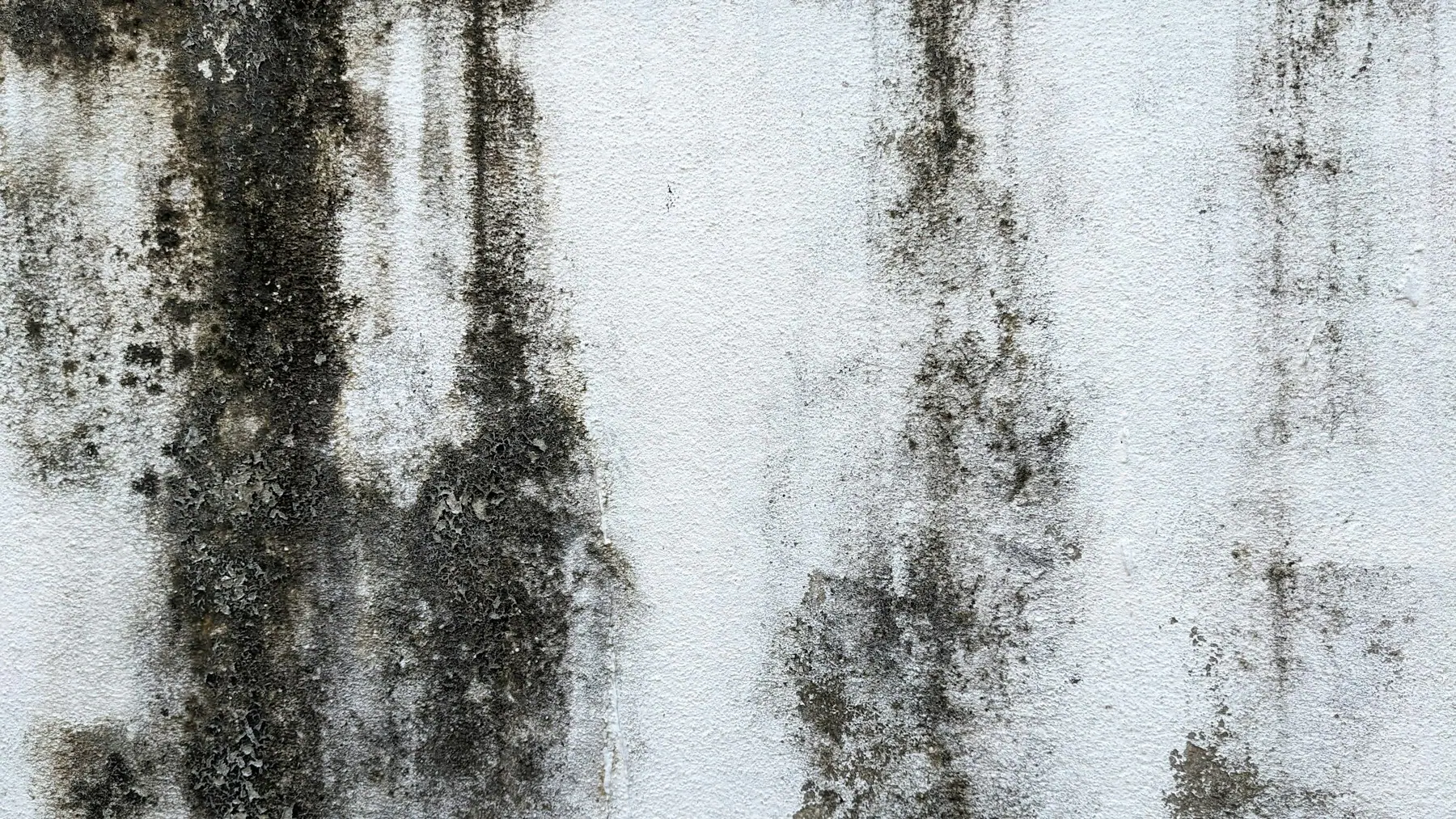
Insulation & Moisture Treatment
Lasting answers to damp, mould and waterproofing problems.
Demander ce serviceParlons de votre besoin
Une réparation à planifier ou un espace à transformer ?
Envoyez les informations utiles et notre équipe vous orientera vers le bon parcours.
WhatsApp · +90 539 609 51 11Districts prioritaires actifs · Autres zones sur confirmation