Damp and mould on walls: condensation, a leak, or rising damp?
How to tell three look-alike kinds of damp apart, what ventilation actually does, and why painting over the patch never works.
Three kinds of damp, three different fixes
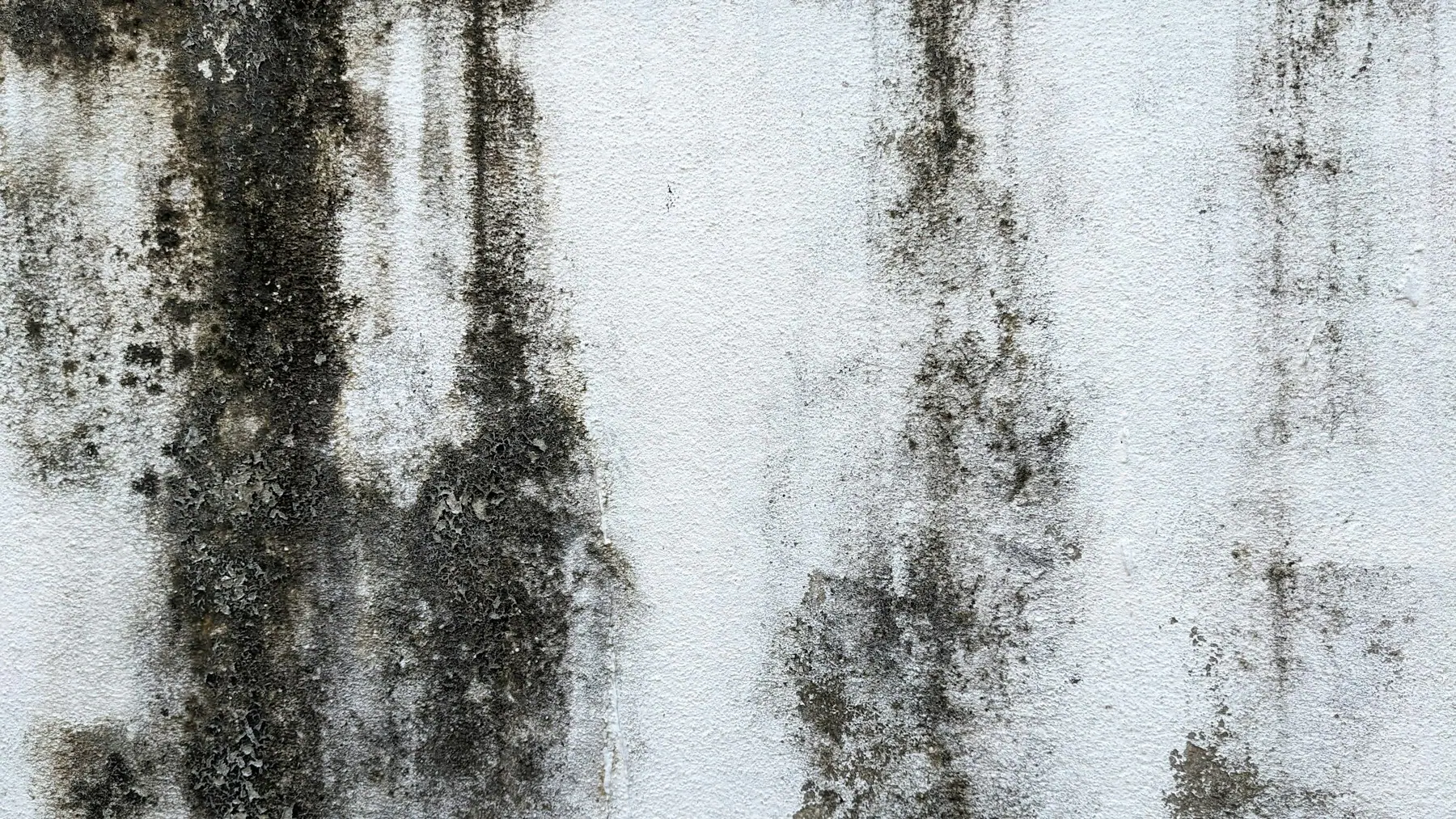
A dark patch on a wall is not a sign of one single thing. Condensation is moisture from indoor air turning to water on cold surfaces; it gathers in external wall corners, at window reveals and behind furniture, becomes obvious in winter and usually produces black spotting. Damp from a leak appears over a smaller area with sharper edges and changes after a shower, after rain or after a particular use. Rising damp travels up the lower part of a wall as a horizontal band on ground floors and basements, and leaves a white salt bloom on the surface as it dries. Two types can occur on the same wall, which is why any repair made before identifying which is which stays incomplete.
A simple test that tells them apart
There is a cheap way to find out whether moisture is arriving on the surface or through the wall. Tape a piece of clear plastic sheet or aluminium foil over the damp area, sealing all four edges, and leave it for a day. If the room side of the sheet is wet, the moisture is coming out of the indoor air and you are dealing with condensation. If the face against the wall is wet, moisture is coming through the structure and a leak or rising damp should be looked for. Noting over a few days whether the patch responds to the weather or to how the room is used, and marking its edge in pencil, confirms the result. This is not a final diagnosis, but it does let you call the right trade.
Ventilation, heat and where the furniture sits
Condensation is caused not by producing moisture but by failing to remove it. Opening opposite windows fully for a short burst several times a day removes more moisture than leaving a window on the tilt for hours, and it chills the walls less. Running the extractor while cooking and after showering is the cheapest way to catch moisture at its source. Drying laundry in a closed room with no extraction can by itself upset the moisture balance of a whole flat. Pulling wardrobes and sofas a few centimetres off external walls restores airflow behind them, while letting unused rooms go completely cold simply concentrates the moisture there. Blocking existing ventilation grilles has the same effect.
Cleaning mould safely
Small, recently formed patches of mould can be cleaned, but the method matters. Wear gloves and a mask, open a window, and lift the growth by wiping with a damp cloth rather than scrubbing dry, since dry brushing releases spores into the air. Never mix cleaning products: using a bleach-based product together with an acidic or ammonia-based cleaner releases toxic fumes. Throw the cloths away instead of reusing them. If the growth covers a wide area, has penetrated behind the plaster, or returns in the same place soon after cleaning, the moisture source is still active and surface cleaning only buys time. If someone in the household has a respiratory condition, do not take the cleaning on yourself.
Why painting over it fails
Painting a damp wall is the shortest way to postpone the problem. Paint will not bond to a wet surface; moisture escaping from beneath pushes the film off, salts migrate to the surface and blister it, and mould returns feeding on the binder in the paint. Anti-mould paints are not a solution but a finishing layer applied after the source has been removed and the wall has dried. The correct order is: identify the source, repair the leak if there is one, correct ventilation and heating balance if it is condensation, allow the surface to dry, confirm that drying with a moisture reading or a clean result from the foil test, then cut back the failed plaster to sound background and make good. Assuming that a stain whose source was never found will come back in exactly the same shape is the realistic view.