
Marble flooring, stair treads and landings
Renovation & Contracting
Marble Work
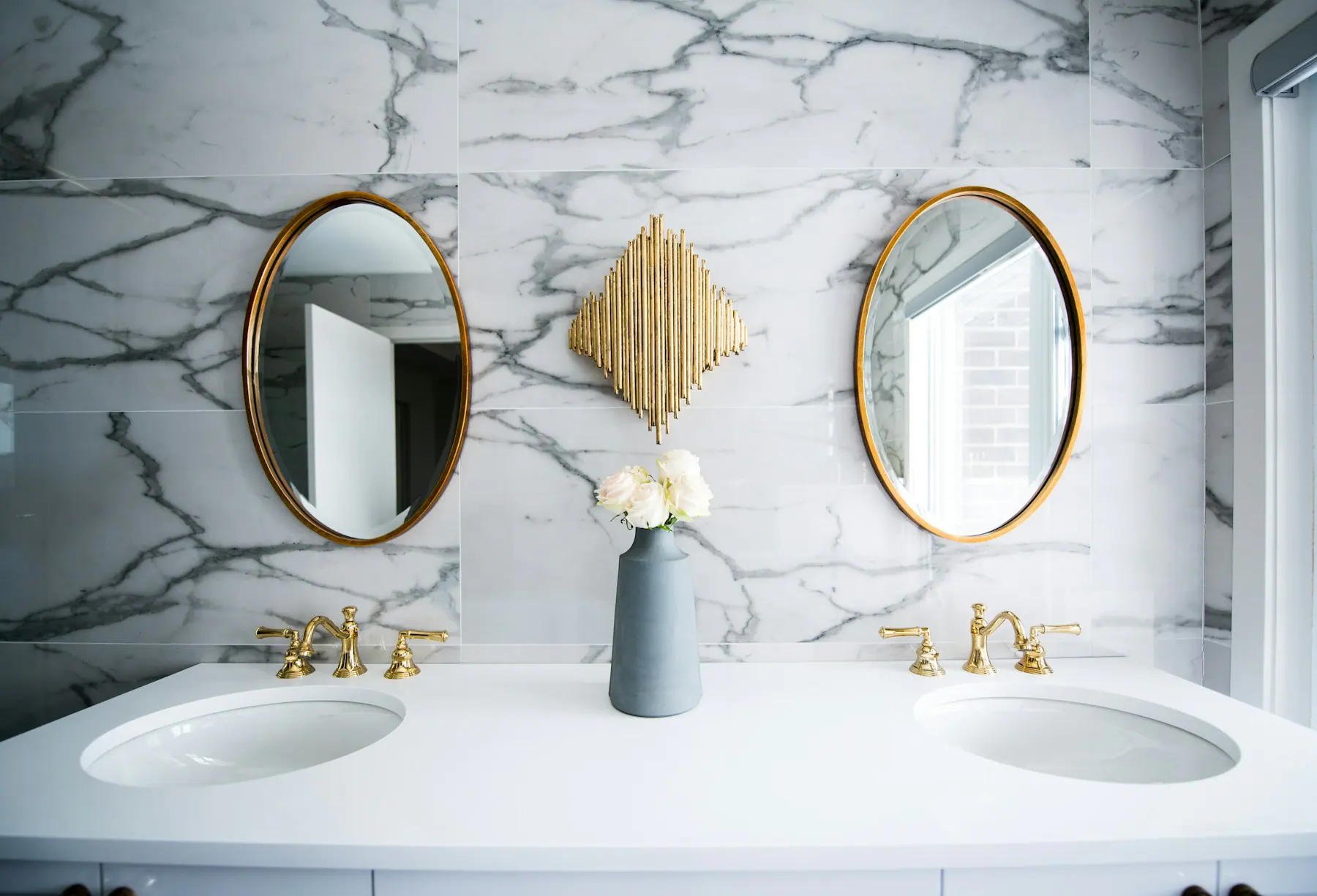
Marble floors, stairs, sills, tops and cladding, plus honing and polishing.
When do you need this?
Marble is a natural stone: even slabs from the same quarry differ in colour and veining, and the surface is sensitive to acids and stains. So before any work we choose the slabs with you and set the vein direction and slab sequence in a layout plan. We measure the flatness of the substrate and define the adhesive suited to the stone type and colour, and the surface protection method, as separate items in the scope.
- A dull marble floor with scratches and worn traffic paths
- Dull rings on a top left by lemon, vinegar or cleaning products
- Oil, coffee or rust stains that have soaked into the stone
- Broken, cracked or loose pieces on stair treads
- A cracked external window sill letting water into the wall
What this covers
Window sills and door thresholds, made and fitted
Vanity and kitchen tops, with slab selection and vein matching
Wall cladding and recess detail
Surface renewal by honing, polishing and spot repair
Impregnating sealer and stain protection
THE PROCESS
How the work runs
Open a request with photos and dimensions of the existing surface or the area
On-site survey of substrate flatness, moisture, the condition of existing stone and the type of staining
Written scope covering slab selection, vein layout, adhesive and protection method
Delivery after approval, with slab layout and substrate preparation documented
Handover after checks of flatness, joints, surface finish and protection

Where we deliver this service
Appointments are planned around district routes. If your district is not listed, write to us anyway and we will assess the scope together.
KüçükçekmeceBaşakşehirAvcılarBeylikdüzüBakırköyBahçelievlerEsenyurtArnavutköyBağcılarBayrampaşaBeşiktaşBeyoğluBüyükçekmeceÇatalcaEsenlerEyüpsultanFatihGaziosmanpaşaGüngörenKağıthaneSarıyerSilivriSultangaziŞişliZeytinburnuAdalarAtaşehirBeykozÇekmeköyKadıköyKartalMaltepePendikSancaktepeSultanbeyliŞileTuzlaÜmraniyeÜsküdar
FAQ
Questions about this service
Why do dull marks appear on a marble top?
Marble is a calcium carbonate stone; lemon, vinegar, some drinks and acidic cleaners attack the surface chemically and leave dull marks, known as etching. This is surface damage rather than a stain, and a sealer does not prevent it. Light etching can be removed by honing and polishing, and for heavily used kitchen areas we discuss this sensitivity at the material-selection stage.
Does sealing make marble stain-proof?
No. An impregnating sealer slows liquid entering the pores and buys time to wipe it up, but it does not make the surface fully impermeable. Spills still need wiping promptly, and neutral cleaners suited to stone should still be used. Because protection wears over time it needs renewing, and we share care guidance in writing at handover.
Can an old marble floor be restored without replacing it?
Often, yes, where the slabs are sound and well bonded. Honing removes scratches and lippage between slabs, polishing then brings the surface to the finish you want, and broken pieces and open joints are repaired along the way. Where many slabs are hollow or cracked, lifting and relaying them may be the sounder decision; we assess this together at survey.
Related services
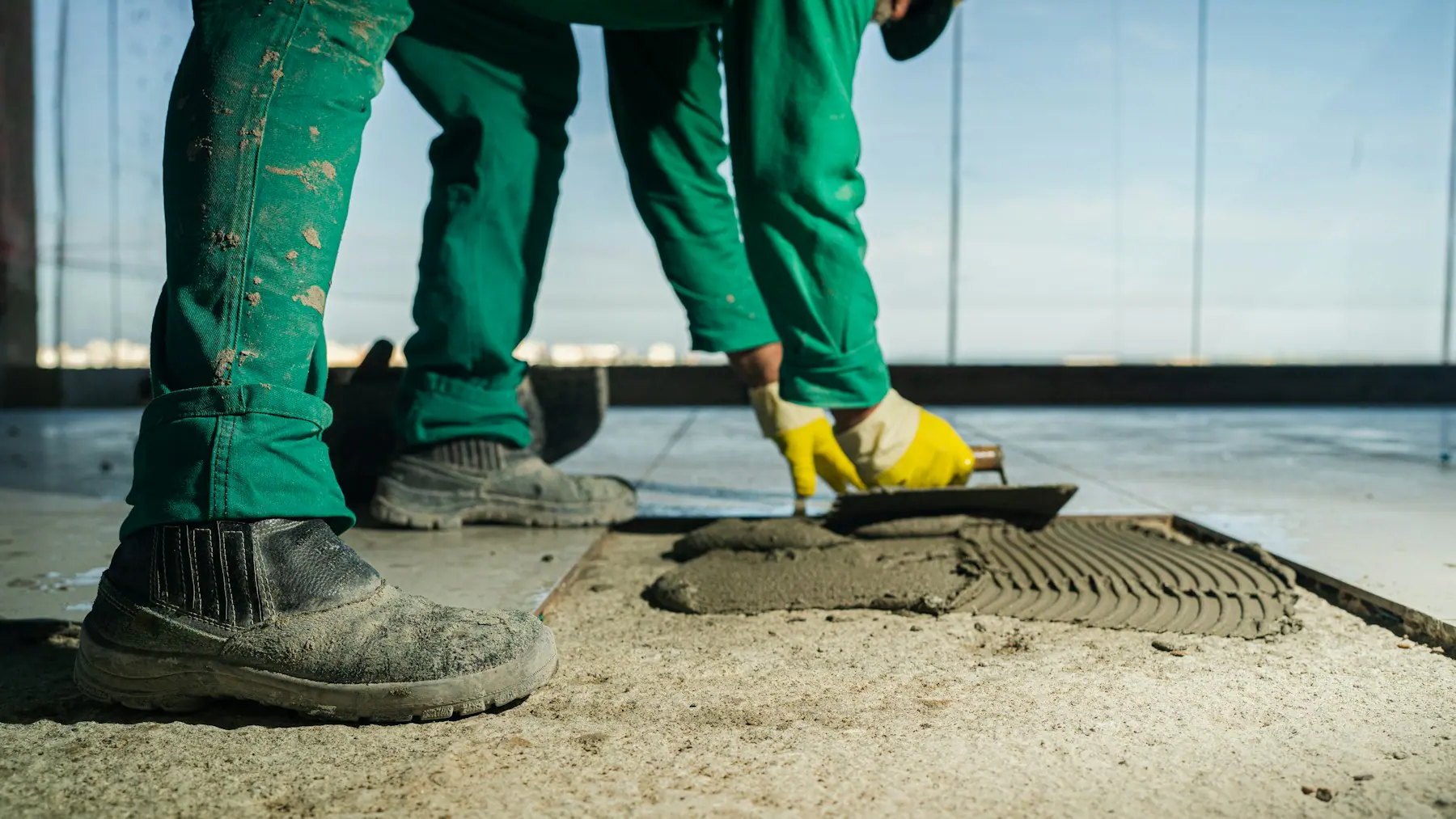
Ceramic & Porcelain Tiling
Wall and floor tiling in ceramic and porcelain, including large formats.
Request this service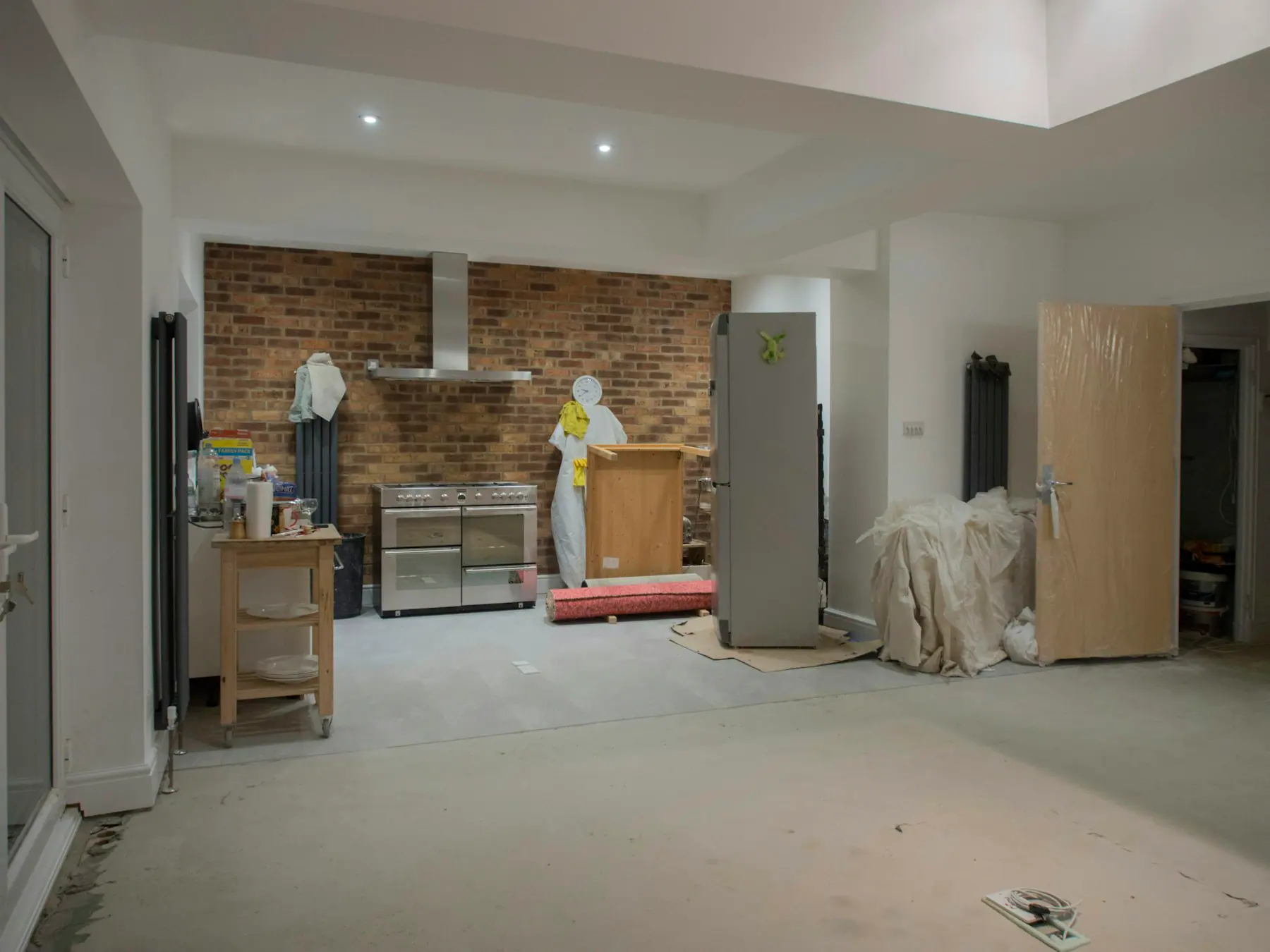
Kitchen Renovation
Complete kitchen renewal, from strip-out to worktops and built-in appliances.
Request this service
READY TO START
Send one photo and let us plan the rest.
No account is needed and there is no payment in the form. Your request reaches the EVİZO office directly.
WhatsApp · +90 539 609 51 11Priority districts active · Other areas by confirmation