
Laminate, engineered and solid wood flooring
Renovation & Contracting
Parquet & Flooring
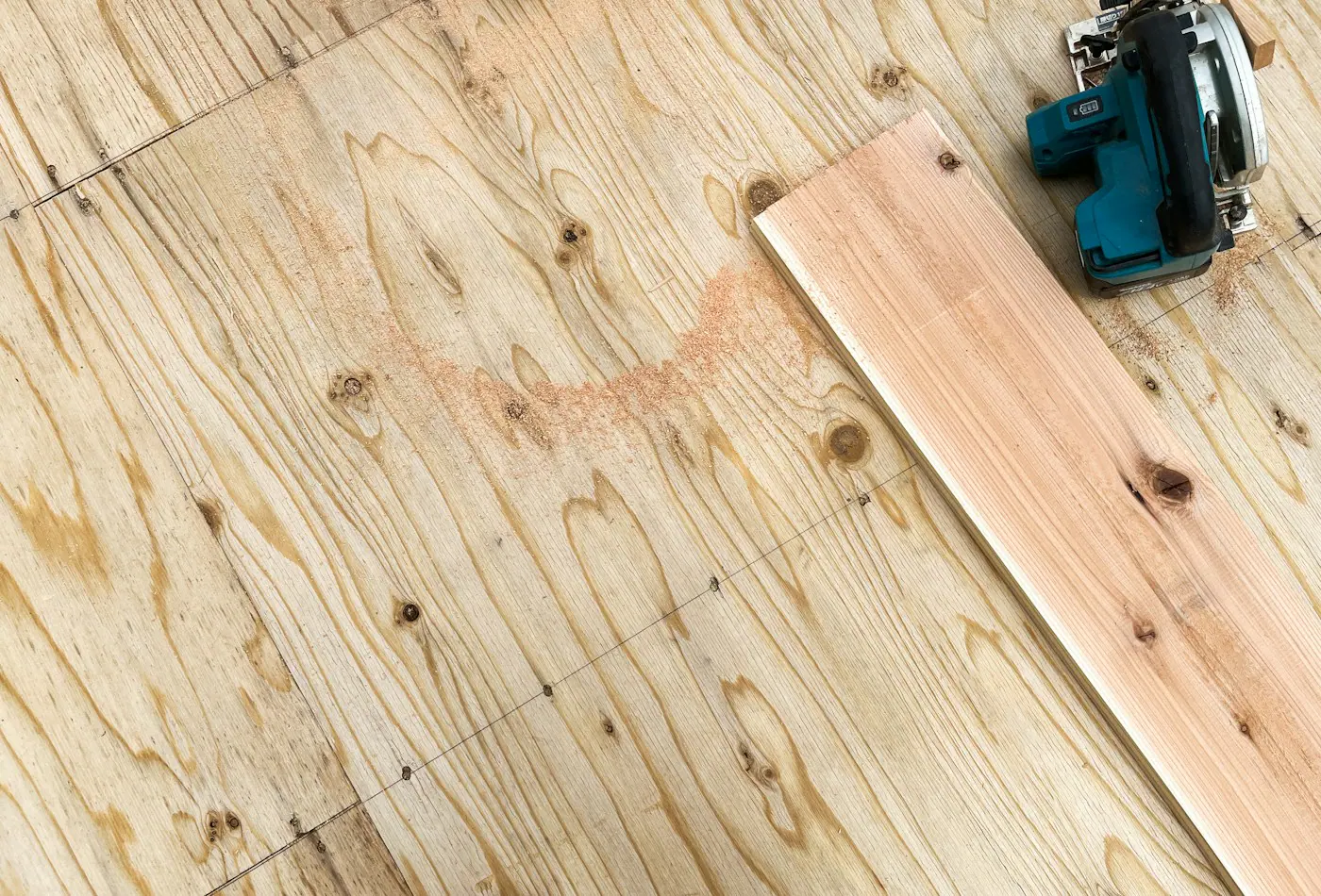
Laminate, engineered and solid wood, vinyl and SPC flooring.

When do you need this?
How long a floor lasts depends more on what lies beneath it than on the covering itself: an uneven screed strains the joints and moisture rising from the slab swells timber. Before laying we measure flatness and moisture, and set out in the scope the underlay and moisture barrier suited to the product, the expansion gap at the walls and the clearance under doors. For wood-based products we also build acclimatisation to the room conditions into the programme, as the manufacturer recommends.
- Laminate joints that have opened or lifted
- Boards that creak or flex underfoot
- Worn lacquer on solid parquet, with scratches and stains
- Swollen boards where water has got in
- Skirting pulling away and level changes between rooms
What this covers
Vinyl and SPC flooring
Subfloor levelling, underlay and moisture barrier
Skirting, transition profile and threshold fitting
Sanding and re-lacquering solid parquet
Replacement of damaged boards
THE PROCESS
How the work runs
Share photos of the existing floor and the room dimensions
On-site survey measuring flatness, moisture and door clearance
Written scope covering product, underlay, laying direction, expansion gaps and profiles
After approval: acclimatisation, floor preparation and laying, with the preparation documented
Handover after checks of joints, expansion gaps, skirting and transitions
Where we deliver this service
Appointments are planned around district routes. If your district is not listed, write to us anyway and we will assess the scope together.
KüçükçekmeceBaşakşehirAvcılarBeylikdüzüBakırköyBahçelievlerEsenyurtArnavutköyBağcılarBayrampaşaBeşiktaşBeyoğluBüyükçekmeceÇatalcaEsenlerEyüpsultanFatihGaziosmanpaşaGüngörenKağıthaneSarıyerSilivriSultangaziŞişliZeytinburnuAdalarAtaşehirBeykozÇekmeköyKadıköyKartalMaltepePendikSancaktepeSultanbeyliŞileTuzlaÜmraniyeÜsküdar
FAQ
Questions about this service
Can a new floor be laid over old tiles?
For laminate, vinyl or SPC it is often possible where the floor is flat and free of hollows; if the added thickness reduces the gap under a door, trimming the door is added to the scope. Where tiles are loose or cracked, removal and levelling come first; otherwise the new covering inherits the same defect.
Why is an expansion gap left at the walls?
Parquet and other floating floors expand and contract slightly as temperature and humidity change. Without that gap at the walls and around fixed obstacles, the floor can bind and lift, or its joints can open. The gap is covered by skirting and transition profiles.
Which floors can be sanded and refinished?
Solid parquet can be sanded and re-lacquered for as long as its thickness allows. With engineered boards it depends on the thickness of the top wood layer, while laminate, vinyl and SPC cannot be sanded, so damaged boards are replaced instead. Before sanding we check at survey that the boards are sound and how much thickness remains.
Related services
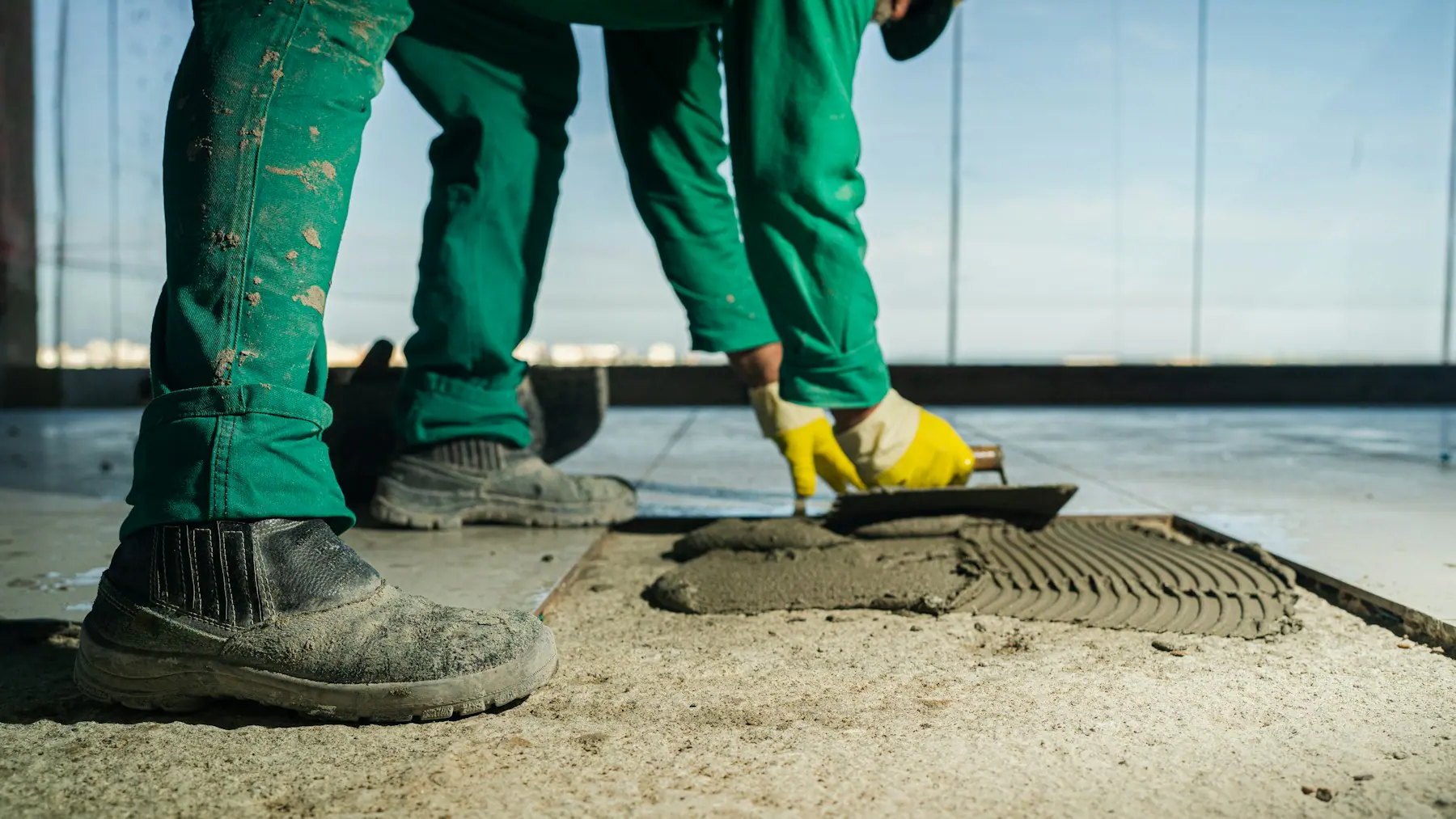
Ceramic & Porcelain Tiling
Wall and floor tiling in ceramic and porcelain, including large formats.
Request this service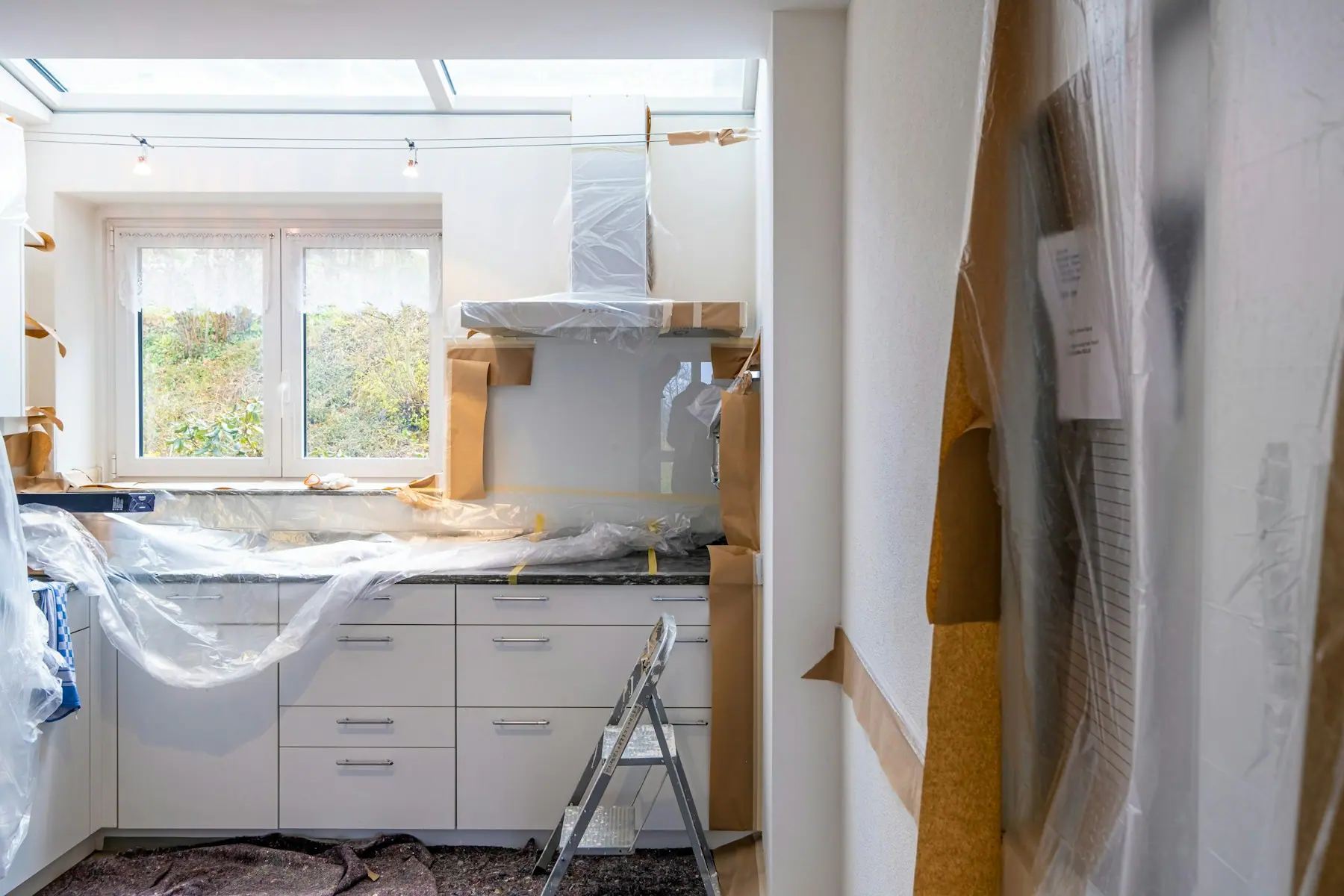
Apartment & Home Renovation
Planned, sequenced renewal across a whole apartment or house.
Request this service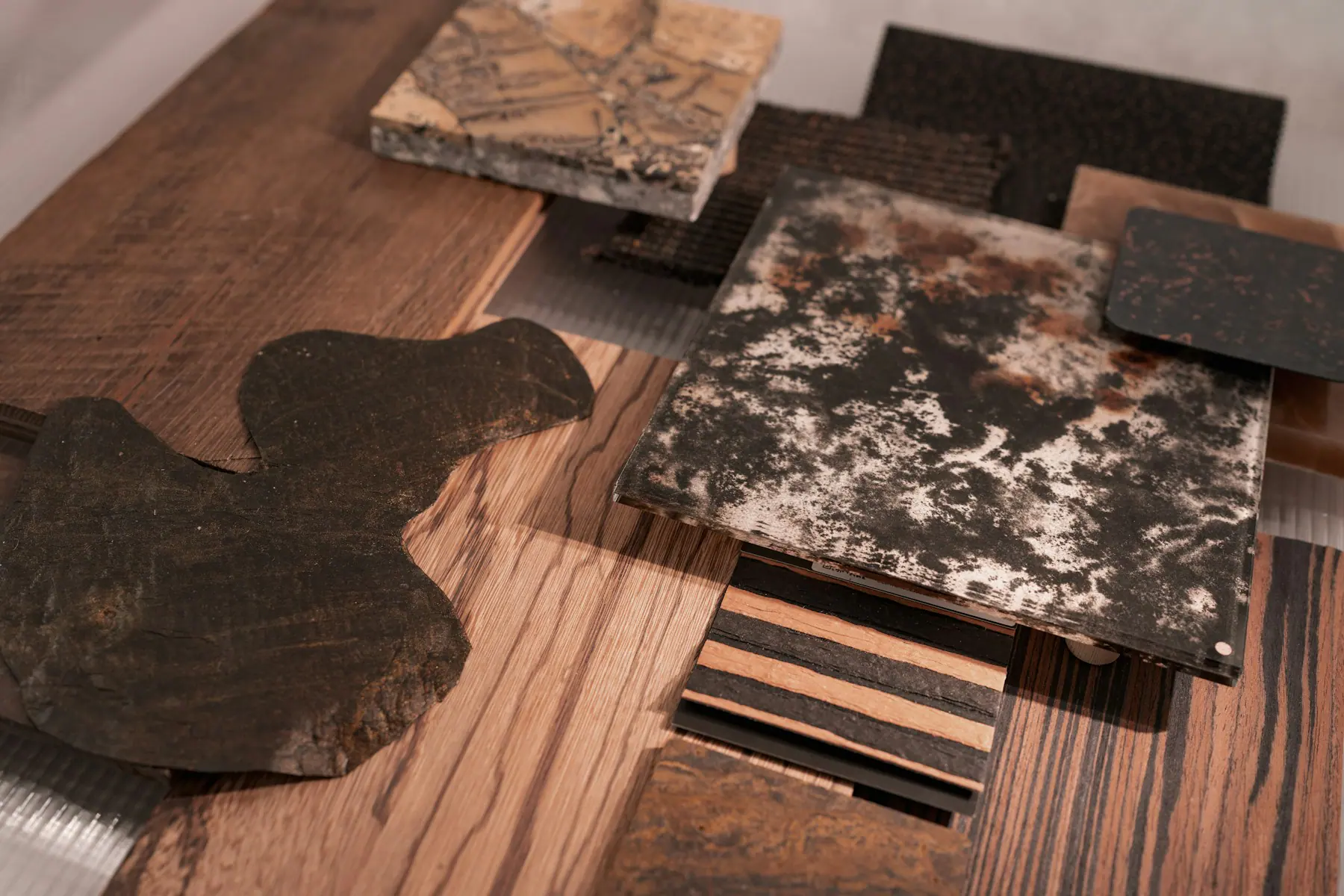
Material Selection
A written specification for floors, tiles, stone, worktops, timber, fabrics and hardware, confirmed with samples.
Request this serviceREADY TO START
Send one photo and let us plan the rest.
No account is needed and there is no payment in the form. Your request reaches the EVİZO office directly.
WhatsApp · +90 539 609 51 11Priority districts active · Other areas by confirmation